
Sustainable B2B shipping is no longer a “nice to have” – it’s your competitive edge. Customers expect more, and delivery is a key place to start. From low-emission fleets to smarter routing, we’re breaking down the best ways to make your B2B deliveries leaner, greener, and more cost-effective.
B2B procurement has traditionally been heavily price-focused. But there’s a new consideration that is increasingly influencing customers’ purchasing decisions: sustainable shipping.
According to a report by Bain & Company1, 36% of B2B buyers would leave suppliers that don’t meet their sustainability expectations. It could be the difference between a customer choosing your business over a competitor’s – or worse, vice versa. Now is the time to review your supply chain practices to see where changes could be made. First up, shipping.
Benefits of offering sustainable shipping to B2B customers
Competitive advantage: Only 53% of B2B customers say the sustainable options they are offered by suppliers fully meet their expectations2. This means there is a huge opportunity for businesses to leverage a sustainable shipping strategy to attract these underserved prospects.
New business opportunities: Large corporations often require suppliers to meet specific sustainability standards to help them meet their ESG (Environmental, Social and Governance) goals. Thus, sustainable shipping will set you apart in procurement processes.
Cost savings: Optimizing shipping routes, using eco-friendly packaging, and leveraging carbon offset programs can help B2B businesses to reduce costs over time. Furthermore, energy-efficient transportation often means lower fuel costs and fewer emissions.
B2B v B2C shipping
With the growth of B2B e-commerce, buyers are beginning to expect the same speed, convenience, and sustainability they’re used to in B2C transactions. The good news? Due to the nature of the B2B sector, it lends itself well to a sustainable shipping strategy:
1. Shipment size & frequency
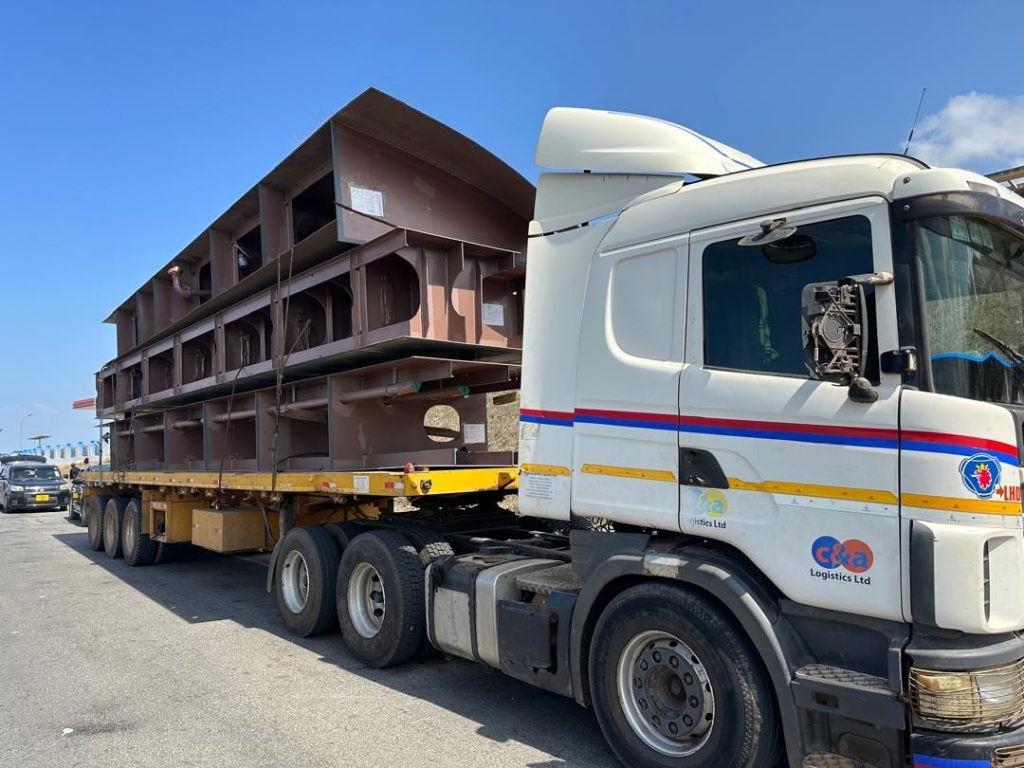
B2C sales typically involve frequent, small deliveries – often individual packages – which increases trips and the overall carbon footprint. Yet B2B shipments are typically large and infrequent, allowing for reduced emissions through route optimization.
2. Delivery speed & flexibility
B2B deliveries are usually scheduled in advance, giving room for sustainable planning. In contrast, B2C customers expect fast shipping – including same-day delivery – making it harder to reduce emissions.
Measure, report and improve
Making these changes isn't enough on its own. It’s equally important to measure emissions and efficiency gains. You can leverage tools and software to calculate and report emissions per delivery, helping your business to set goals to reduce them. Be sure to promote your progress and share sustainability metrics with your clients – it could be the difference between them choosing your business over a competitor.
Sustainable shipping is becoming a key differentiator in B2B logistics. By investing in this area, your business can position itself as a responsible leader, meet evolving client expectations, and gain a competitive advantage. And it all starts with Contacting C&A Tanzania Limited.